
Innovation Is at the Heart of SDG 9
SDG 9 calls for building resilient infrastructure, promoting inclusive and sustainable industrialization, and fostering innovation. The United Nations describes these elements as key drivers of economic development, employment, trade, and the efficient use of resources. In a rapidly changing global economy, growth will depend not only on producing more, but on producing smarter, cleaner, and more inclusively.
Artificial intelligence is emerging as one of the most important technologies for this transformation. AI can help industries analyze complex data, automate repetitive tasks, improve quality control, predict maintenance needs, and support faster product development. The UN notes that AI can enhance manufacturing, infrastructure management, productivity, and innovation acceleration.
From Automation to Intelligent Industry
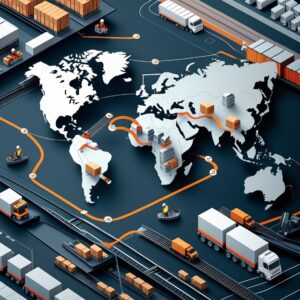
AI’s role in industry goes beyond replacing manual work. It can make production systems more adaptive and intelligent. In manufacturing, AI can detect defects earlier, optimize production schedules, reduce material waste, and predict when machines need maintenance. In logistics, it can improve delivery routes and inventory planning. In construction and infrastructure, it can support safer planning and more efficient use of materials.
These applications are closely related to Industry 4.0, where digital technologies, data, and advanced manufacturing work together. UN-related discussions on SDG 9 highlight AI and advanced manufacturing as technologies that can boost productivity, improve resource efficiency, and support the transition to low-carbon industrial systems. The result is not simply faster production; it is production that can be more precise, flexible, and sustainable.
A Growth Opportunity for Companies of All Sizes
AI is often associated with large technology companies, but its benefits can reach small and medium-sized enterprises as well. Cloud-based AI tools, affordable software, and digital platforms can help smaller businesses forecast demand, respond to customers, design products, manage supply chains, and improve marketing.
The UN emphasizes that SDG 9 includes improving access to finance and value chains for small enterprises, as well as supporting research, technological upgrading, and innovation. For SMEs, AI can reduce the cost of tasks that once required specialized staff or large budgets. A small manufacturer might use AI to improve product designs, a local retailer might forecast inventory needs, and a service company might automate customer support.
The OECD notes that firms adopting AI can experience productivity gains, but that the benefits depend on complementary investments in data, skills, digitalized workflows, and organizational change. In other words, AI creates the greatest value when companies redesign how they work—not when they simply add a new tool.
Supporting Sustainable and Resource-Efficient Industry
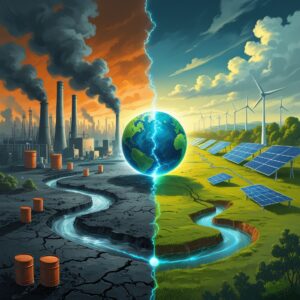
AI can also help industry reduce its environmental footprint. By analyzing energy use, production data, and supply-chain information, AI can identify inefficiencies and suggest improvements. It can support predictive maintenance, reduce waste, optimize transport, and improve the use of renewable energy.
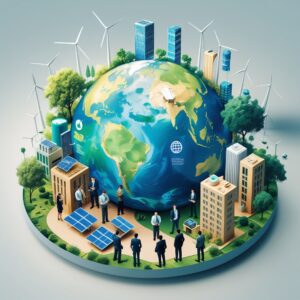
SDG Target 9.4 calls for upgrading infrastructure and retrofitting industries to make them more sustainable, with greater resource-use efficiency and wider adoption of clean and environmentally sound technologies. AI can support this goal by helping companies measure environmental impacts, simulate low-carbon production processes, and make better decisions about materials and energy.
This creates a powerful connection between innovation and sustainability. Growth does not have to mean higher emissions or greater waste. With AI-enabled systems, industries can pursue productivity while using fewer resources and reducing environmental risks.publicadministration.desa.

Skills and Access Determine Who Benefits
AI’s potential for industrial growth will not be shared automatically. Countries, regions, and businesses with strong digital infrastructure, reliable internet, skilled workers, and access to financing will be better positioned to benefit. The UN warns that progress on SDG 9 remains uneven and that bridging the digital divide is essential for inclusive industrial development.sdgs.
This means investment in AI must be paired with investment in people. Workers need opportunities to develop digital skills, data literacy, and the ability to work alongside intelligent systems. Governments and companies also need to support small manufacturers, developing countries, and underserved communities so that AI-driven growth does not concentrate only among a few large players.sdgs.
Building an Innovation Ecosystem for the Future
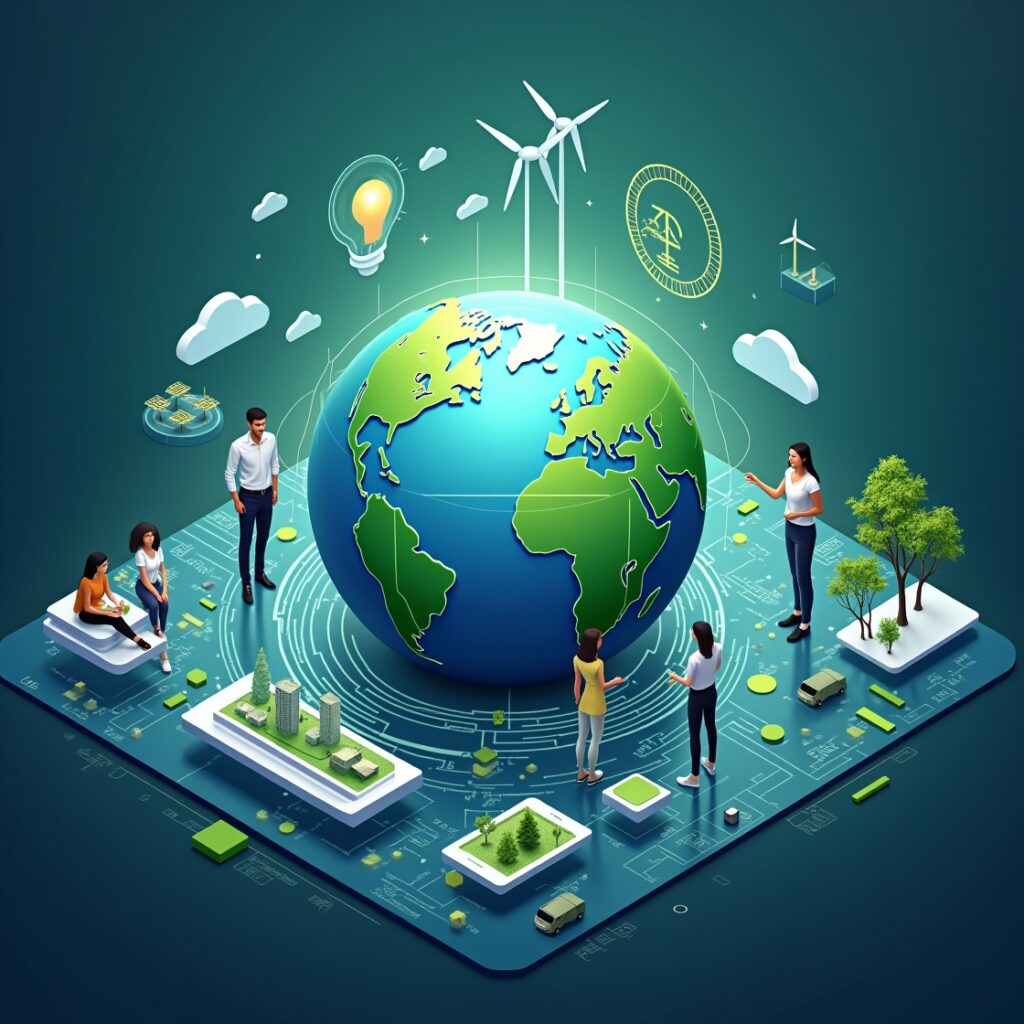
The greatest growth will come from ecosystems where AI, infrastructure, research, education, and industry work together. Universities can develop applied research. Companies can test new solutions. Governments can provide digital infrastructure, fair rules, and support for SMEs. Entrepreneurs can turn new technologies into practical products and services.
The UN highlights the importance of partnerships that mobilize public and private investment, strengthen innovation systems, and support sustainable industrial development. AI is not a magic solution, and its risks—including job disruption, inequality, and dependence on technology—must be managed through training, governance, and inclusive policies.publicadministration.desa.
Still, the direction is clear. AI can help industries become more productive, more sustainable, and more innovative. If its benefits are shared broadly, AI can become a major engine for achieving SDG 9 and for building long-term, resilient economic growth.