

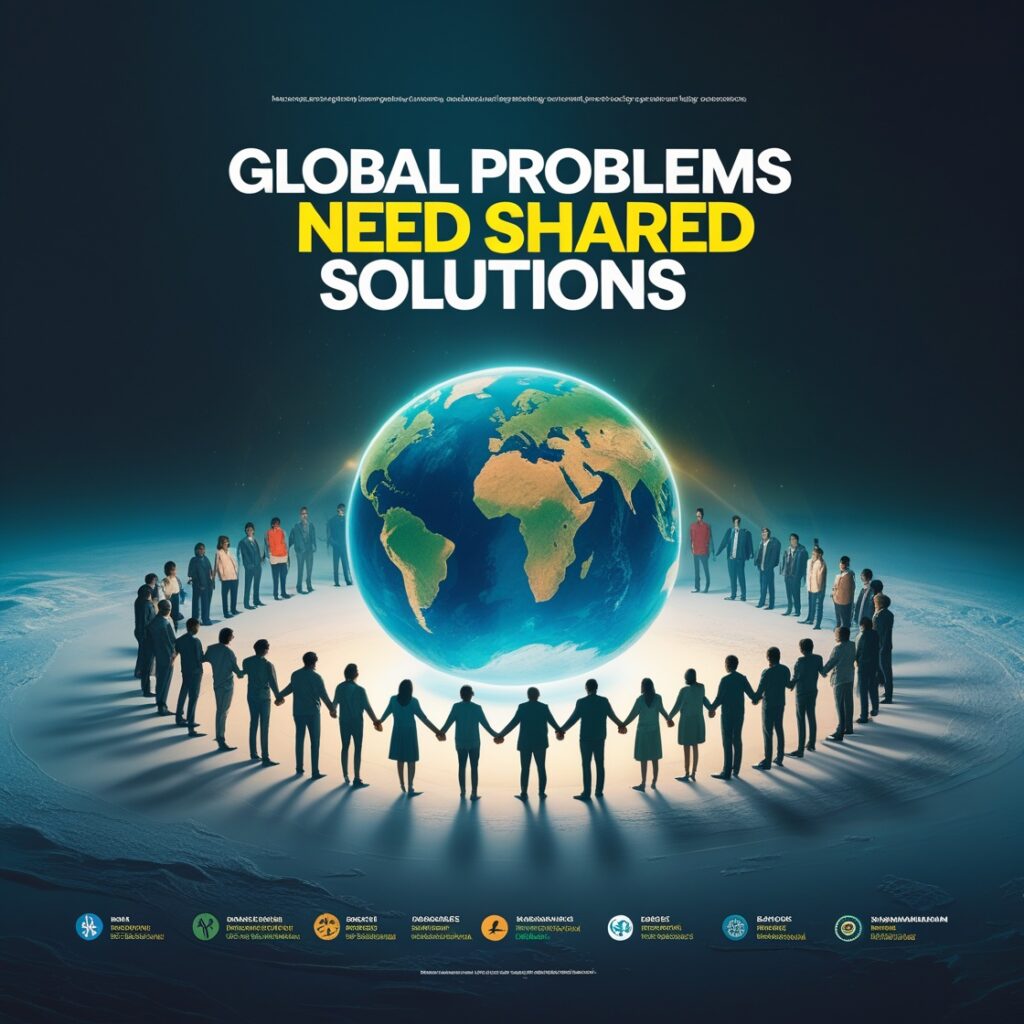
Global Problems Need Shared Solutions
Climate change, biodiversity loss, poverty, inequality, and resource depletion are interconnected challenges. No single government, company, NGO, or community can solve them alone. This is why SDG 17 calls for strengthening the means of implementation and revitalizing the global partnership for sustainable development.sdgs.
The United Nations describes Goal 17 as an “enabler” goal: if partnerships fail, progress on every other SDG becomes more difficult. For companies, this means sustainability cannot remain a separate CSR activity. It must become part of how businesses invest, produce, source materials, innovate, and work with society.
Partnerships Combine Different Strengths
Companies bring investment, technology, management capacity, supply chains, and market access. Governments bring policy frameworks, public infrastructure, and regulatory authority. Civil society brings local knowledge, community trust, and accountability. Universities and research institutions bring scientific expertise. When these strengths are combined, solutions can become more practical and scalable.
SDG Target 17.16 calls for multi-stakeholder partnerships that mobilize and share knowledge, expertise, technology, and financial resources to support the SDGs. The UN Global Compact similarly notes that partnerships can help businesses create long-term value and achieve positive social impact far beyond what they could accomplish alone.sdgs.
Public-Private Partnerships Build Essential Infrastructure
Many sustainability goals depend on infrastructure: clean energy systems, water treatment, public transport, waste management, digital networks, and climate-resilient buildings. These projects often require long-term investment and coordination across public and private sectors.
SDG Target 17.17 specifically encourages effective public, public-private, and civil society partnerships. The UN highlights that public-private partnerships can support sustainable development in sectors such as transport, energy, water supply, and waste management. For example, a city may work with private companies to expand renewable energy, improve public transit, or develop smart water systems. The key is to design these projects so that they deliver public value, protect local communities, and remain financially sustainable.sdgs.
Supply Chains Are a Major Opportunity
A company’s environmental and social impact often extends far beyond its own offices and factories. It reaches farmers, suppliers, logistics providers, manufacturers, retailers, and waste processors. This makes supply-chain partnerships essential for reducing emissions, protecting workers, and improving resource efficiency.
The UN Global Compact notes that sustainability must be integrated into core business operations and cascaded across supply chains, including through small and medium-sized enterprises, which make up 90% of businesses globally. Large companies can support suppliers by sharing sustainability standards, providing training, improving access to finance, and creating long-term purchasing relationships. This approach helps smaller businesses adopt better practices without bearing all the costs alone.

Technology and Data Can Accelerate Impact
Digital technology is changing how partnerships work. Open data, AI, cloud platforms, and digital public infrastructure can help partners monitor environmental impacts, coordinate logistics, track progress, and share solutions more quickly. The Global Digital Compact calls for multi-stakeholder cooperation to develop safe and secure open-source software, open data, open AI models, and open standards.
For example, companies and governments can share data to improve disaster preparedness, monitor deforestation, optimize renewable energy systems, or track supply-chain emissions. The UN emphasizes that global partnerships encompass finance, technology, trade, and data, and that data, monitoring, and accountability are essential for achieving the 2030 Agenda. Technology should therefore be used not only to create new products, but also to make collaboration more transparent and effective.
Accountability and Local Ownership Matter
Partnerships must be more than public statements or short-term marketing campaigns. They need clear goals, measurable outcomes, transparent reporting, and fair sharing of risks and benefits. The UN stresses that achieving the SDGs requires partnerships that mobilize resources while ensuring accountability and equitable progress, especially for developing countries and vulnerable communities.
Local communities should also help shape projects that affect them. A renewable-energy project, water system, or housing development will be more successful when residents, local governments, and civil society organizations participate in planning and decision-making. The UN notes that effective partnerships should build on experience, resources, and strategies that support genuine collaboration.sdgs.

A Shared Future Requires Collective Action
A sustainable planet will not be achieved by companies acting alone, nor by governments acting without business innovation. It requires partnerships that combine investment, technology, policy, community knowledge, and long-term commitment. The UN Global Compact emphasizes that the SDGs address complex, interconnected challenges that require involvement from many parties.
The most effective partnerships will move beyond one-off donations and toward systemic change: cleaner supply chains, resilient infrastructure, inclusive digital access, circular business models, and transparent measurement of impact.
When companies collaborate responsibly with governments, civil society, and communities, they can turn sustainability from a corporate promise into practical progress. Corporate partnership is not simply a business strategy—it is a necessary foundation for achieving a sustainable future for people and the planet.