Innovation Is a Powerful Environmental Tool
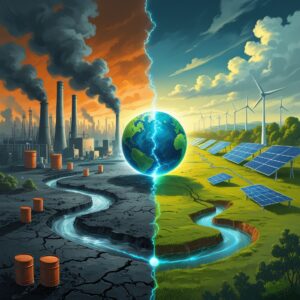
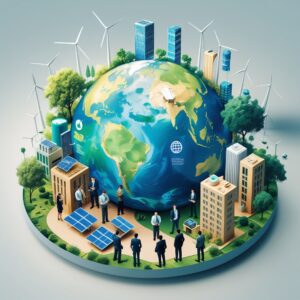
Environmental problems such as climate change, biodiversity loss, pollution, and resource depletion are complex, but technology can make solutions faster, smarter, and more scalable. Renewable energy, electric mobility, energy-efficient buildings, water-saving systems, precision agriculture, and advanced recycling can all reduce environmental pressures while improving daily life.
UNEP states that science, technology, and innovation can help countries move toward more prosperous, resilient, and equitable development pathways. It also notes that technological advances have already supported environmental progress in areas such as solar energy, electric vehicles, and cooling technologies that protect both the ozone layer and the climate.
Seeing Environmental Problems Clearly
One of technology’s most important roles is measurement. We cannot manage what we cannot see. Satellites, sensors, artificial intelligence, and open-data platforms can reveal pollution, deforestation, water shortages, methane leaks, and ecosystem changes in near real time.
UNEP’s digital platforms bring together environmental data to support decision-making at global, national, and local levels. Its air-quality network covers about 5,000 cities, while its freshwater tools provide open data on rivers, lakes, wetlands, and mangroves. The UN Biodiversity Lab provides maps and spatial data that help decision-makers understand ecosystems, climate impacts, and development pressures. Better information can lead to better protection.

Clean Energy and Smarter Systems
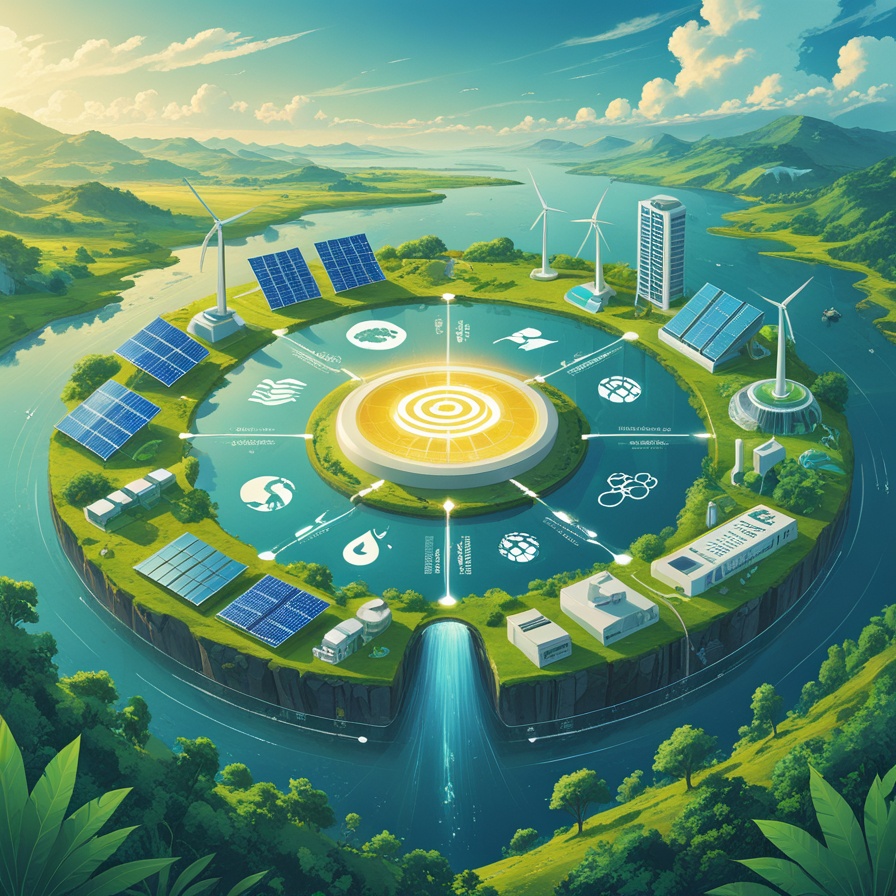
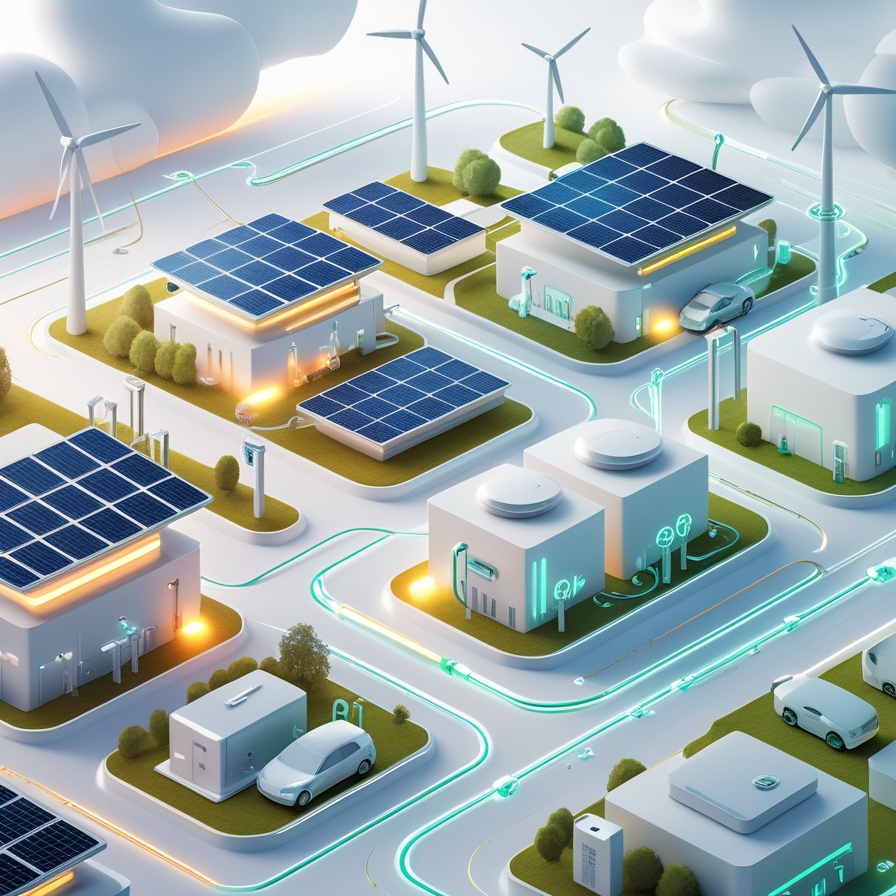
Decarbonizing energy is central to climate action. Solar power, wind power, battery storage, smart grids, and energy-management systems can reduce dependence on fossil fuels and make renewable energy more reliable. Digital tools can also improve efficiency by matching electricity supply with demand and reducing waste in buildings, factories, and transport.
The UN notes that artificial intelligence, the Internet of Things, data platforms, and geospatial tools can support real-time insights and more efficient services in water, energy, mobility, and governance. UNEP highlights electric mobility and green building design as examples of technologies that can improve resource efficiency and encourage environmentally sound choices. These innovations do not eliminate the need for policy and behavioral change, but they can make sustainable choices easier and more affordable.
Innovation Can Enable Circular Economies
Technology can also help society move away from a throwaway economy. Digital product passports, repair guides, material-tracking systems, and recycling platforms can extend the life of products and keep valuable materials in use. Sensors and data systems can identify waste, optimize logistics, and improve resource recovery.
UNEP notes that digital technologies can help measure and track sustainability progress, optimize resource use, reduce greenhouse-gas emissions, and enable a more circular economy. It also highlights design for disassembly as a circular practice that can extend business opportunities beyond simply making new products and reduce the carbon footprint of goods. In a circular system, innovation is judged not only by novelty, but by whether it reduces waste and preserves value.
Technology Must Be Sustainable by Design
Technology is not automatically good for the environment. Data centers, artificial intelligence, smartphones, and other digital systems consume electricity, water, minerals, and land. They can also create electronic waste and deepen inequalities if access is uneven.
UNEP warns that digital technologies can have counterproductive effects, including increased consumption, environmental impacts, digital divides, labor disruption, and concentrated power. It emphasizes “sustainability by design,” meaning that environmental and ethical considerations should be built into technologies throughout their life cycle. UNEP also notes that AI has environmental impacts from mining and emissions to water use and e-waste. Innovation must therefore be evaluated by its full impact, not only by its convenience.
Access and Local Knowledge Matter
A technology that works in one country may not work in another. Sustainable innovation should be affordable, adaptable, and locally appropriate. It should also involve the people who will use it, including farmers, Indigenous communities, small businesses, and local governments.
The World Intellectual Property Organization notes that climate technologies can be promoted through local adaptation, co-development, and recognition of locally invented or Indigenous technologies. UNEP similarly stresses the importance of democratizing access to data and using remote sensing, AI, and analytics to strengthen disaster preparedness. Technology should empower communities rather than replace their knowledge or decision-making power.

Innovation Needs Direction and Responsibility
Technology can help solve environmental problems, but it cannot solve them by itself. It needs supportive policies, investment, education, transparent governance, and collaboration among governments, businesses, researchers, and communities. UNEP states that digital technologies are effective only within a wider policy context, and that incentives are needed to guide innovation toward greener ways of living and working.
The UN also calls for investment and innovation that protect both people and nature, while reforming economic and financial systems to support sustainable technologies and business models. The goal is not simply to invent more technology, but to direct innovation toward a healthier planet and a fairer society.
When innovation is guided by sustainability, equity, and long-term thinking, it can become one of humanity’s most powerful tools for protecting the Earth.